
Myth #1: "Exercise is dangerous and increases the risk of miscarriage"
The Truth: Research consistently shows that moderate exercise does NOT increase miscarriage risk in normal pregnancies. In fact, regular physical activity may help reduce the risk of pregnancy complications like gestational diabetes and preeclampsia, which can lead to pregnancy loss when untreated. The American College of Obstetricians and Gynecologists (ACOG) confirms that exercise is safe and beneficial for most pregnant women.
Myth #2: "Your heart rate should never go above 140 bpm during pregnancy"
The Truth: This outdated recommendation came from the 1980s and has since been replaced with more flexible, evidence-based guidelines. The original 140 bpm recommendation was a one-size-fits-all approach that didn't consider individual fitness levels, health status, or pregnancy stage. Experts now focus on how you feel during exercise rather than strict heart rate limits. I like to educate people on the Rating of Perceived Exertion Scale (RPE), a scale based on intensity ranging from 6-20, aiming for a 12-14 in terms of intensity, equivalent to "somewhat hard". This method accounts for differences in fitness, health status, and pregnancy stage. Many healthy, active pregnant individuals can safely exceed 140 bpm without risk. What matters most is tuning into your body and modifying activity when needed.
Myth #3: "You shouldn't start exercising if you weren't active before pregnancy"
The Truth: This belief is outdated and doesn't align with current medical guidance. Exercise during pregnancy offers a wide range of benefits, even for those starting from a low activity level. The American College of Obstetricians and Gynecologists (ACOG) recommends beginning with just 5-10 minutes of physical activity per day, gradually increasing to 30 minutes or more of moderate movement if you have never exercised regularly before. I recommend working with a pelvic health physical therapist with a background in strength and conditioning, who can tailor a program to your needs, focusing on mobility, stability, and strength to prep your body for labor and support postpartum recovery. As always, listen to your body and work with your healthcare provider to create a safe, personalized plan.
Myth #4: "Lifting weights during pregnancy is dangerous"
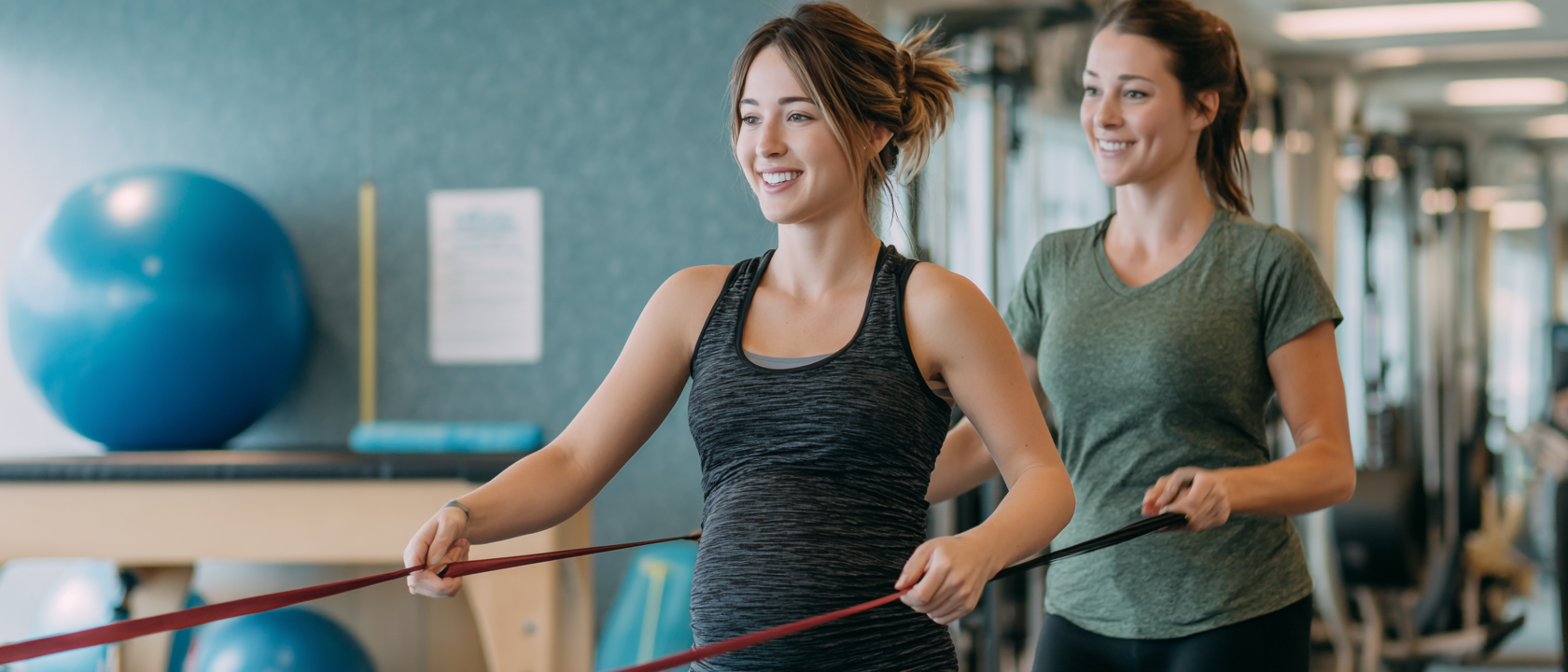
The Truth: When done with proper form, modifications, and guidance, resistance training is not only safe for most pregnant individuals, it's incredibly beneficial. Strength training helps maintain and build muscle mass, which supports your changing body, reduces injury risk, and prepares you for the physical demands of labor, delivery, and postpartum recovery. It also improves posture, boosts energy, supports joint stability, enhances metabolic health, and can help manage healthy weight gain. The type and intensity of strength training should match your starting point: beginners can start with bodyweight or light resistance, while experienced lifters can often continue training with adjusted loads and movement patterns. A pelvic health physical therapist or qualified prenatal fitness professional can help tailor a program to meet your needs safely and effectively.
Myth #5: "Core Training During Pregnancy Is Not Safe"
The Truth: Quite the opposite! While certain core exercises likely will need to be modified, avoiding all core work during pregnancy is unnecessary and often counterproductive. Safe, intentional core training can help reduce back and pelvic pain, support the spine, and improve posture as your body changes. It also plays a key role in maintaining strength and stability through the pelvis and abdominal region, which can help with balance, labor endurance, and postpartum recovery. Core work during pregnancy doesn't mean abdominal crunches. Think breathing-based movements, deep core engagement (like transverse abdominis activation), and exercises that promote control and stability. Working with a professional who understands prenatal adaptations can help you safely train your core and stay strong throughout pregnancy.
American College of Obstetricians and Gynecologists Exercise Recommendations During Pregnancy
- Duration and frequency: Aim for at least 150 minutes of moderate-intensity aerobic activity weekly, spread throughout the week (typically 30 minutes, 5 days per week).
- Intensity guideline: Use the Rating of Perceived Exertion (RPE) Scale, which ranges from 6-20. Aim for 13-14 on this scale, which corresponds to "somewhat hard" exercise.
- Activities to avoid: Contact sports, activities with high fall risk (skiing, horseback riding), scuba diving, hot yoga or exercise in very hot or humid environments.
Warning Signs to Stop Exercise
- Vaginal bleeding
- Regular painful contractions
- Leaking amniotic fluid
- Dizziness or feeling faint
- Shortness of breath before exercise
- Chest pain
- Headache that is severe or persistent
- Muscle weakness affecting balance
- Calf pain or swelling
My Personal Recommendation
Incorporating 3-4 days of strength training alongside the recommended 150 minutes of cardiovascular activity per week can make a HUGE difference in preparing your body for birth and supporting your postpartum recovery. While rest and healing are essential after delivery, caring for a newborn involves frequent lifting, carrying, feeding, and bending. Maintaining strength in your core, upper body, and lower body can help reduce the risk of common postpartum aches and pains, support your physical recovery, and even contribute to a smoother childbirth experience.
Keep in mind that every pregnancy is different. Be sure to discuss your exercise routine with your healthcare provider, who can help tailor recommendations to your individual health needs and pregnancy journey.
Benefits of Exercise During Pregnancy
The advantages of both cardiovascular and strength training throughout pregnancy are HUGE! This list by no means covers everything, but these are some of the research-backed reasons to incorporate exercise, as well as what I've seen in my clinical practice and personal experience throughout my pregnancy.
- Reduced physical discomfort: Exercise can help alleviate common pregnancy complaints like back pain, pelvic pain, hip pain, constipation, bloating, and swelling.
- Better mood and mental health: Physical activity releases endorphins that combat stress and anxiety, potentially reducing the risk of prenatal and postpartum depression.
- Improved sleep quality: Regular movement can help address pregnancy-related insomnia and improve sleep depth and duration.
- Better blood sugar management: Exercise helps control blood glucose levels, reducing the risk of gestational diabetes by up to 30%.
- Healthier weight management: Staying active during pregnancy can help regulate weight gain, support healthy fluid balance to minimize swelling, and preserve muscle mass, all of which contribute to a smoother recovery after birth.
- Enhanced physical readiness for birth: Labor is often called a marathon. Building strength and endurance helps prepare your body for this intense physical event.
- Faster postpartum recovery: Women who maintain fitness during pregnancy often experience quicker physical recovery after giving birth.
Exercise of the Month: Activating Your Deep Core
What Is It?
Activating your deep core, specifically the Transverse Abdominis (TvA), is a foundational exercise for pregnancy and postpartum. This muscle wraps around your midsection like a corset and plays a key role in supporting your spine, stabilizing your pelvis, and coordinating with the pelvic floor. I often refer to this muscle as your body's "internal back brace."
How to Perform
- Lie on your back with your knees bent and feet flat on the floor, arms relaxed at your sides.
- Inhale through your nose, allowing your belly, sides, and lower back to gently expand. Imagine filling a balloon deep in your core and pelvic floor.
- As you exhale slowly through your mouth, gently draw your belly button in toward your spine without tilting your pelvis or holding your breath.
- You should feel a deep, gentle tightening around your lower abdomen. This is your TvA muscle activating. You can often feel this muscle if you place your fingers just inside your hip bones on each side.
- Hold the contraction for a few seconds while continuing to breathe normally, then relax and repeat.